Our Thematic Areas
Mission Uganda works across six core thematic areas: Climate Justice & Action, Gender Justice, Livelihoods, Protection, Health and Education, with advocacy as a cross-cutting approach, to create comprehensive, sustainable change in Northern Uganda.
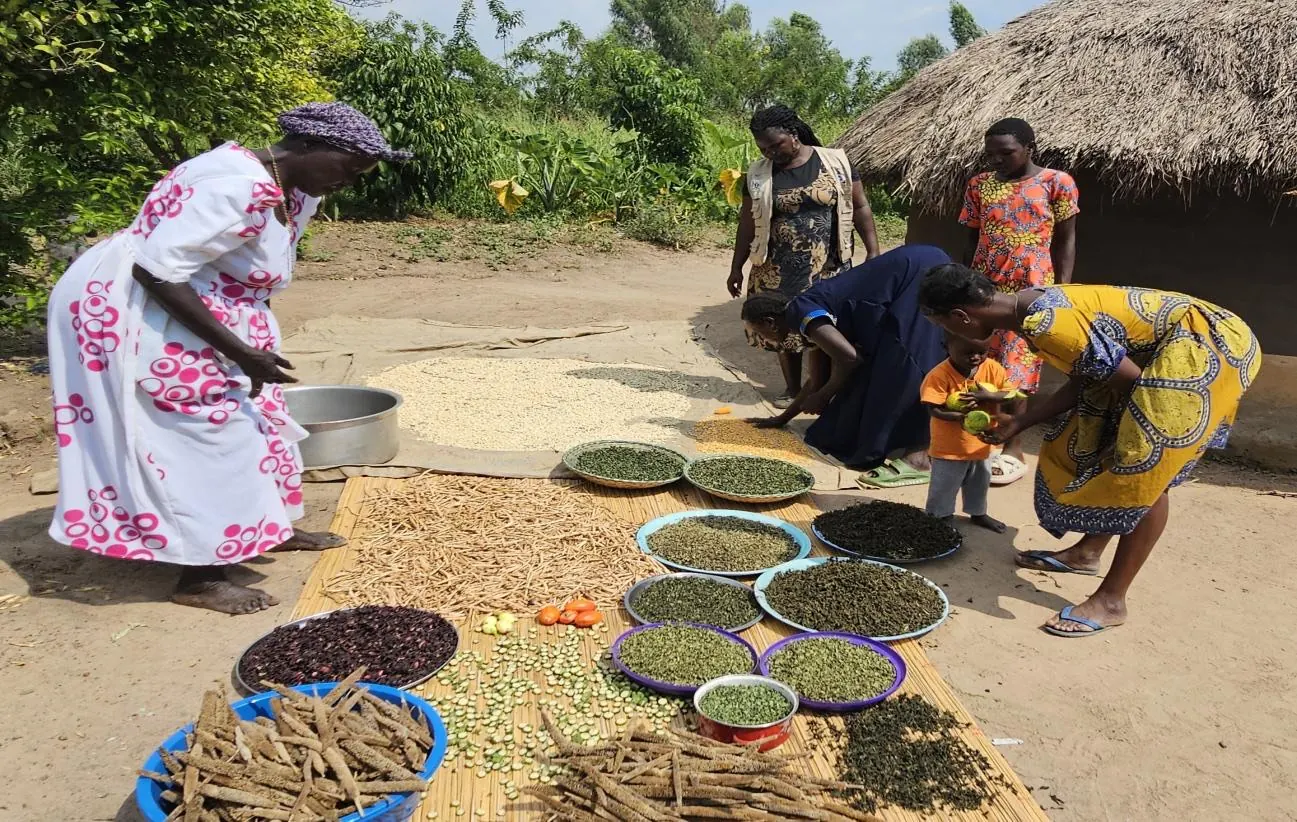
Climate Justice & Action
Building climate-resilient communities through climate-smart organic agriculture, clean energy alternatives and environmental stewardship, ensuring the communities most affected by climate change lead the response.
- Climate-smart organic agriculture
- Energy-saving stoves & briquettes
- Tree planting & community seed banks
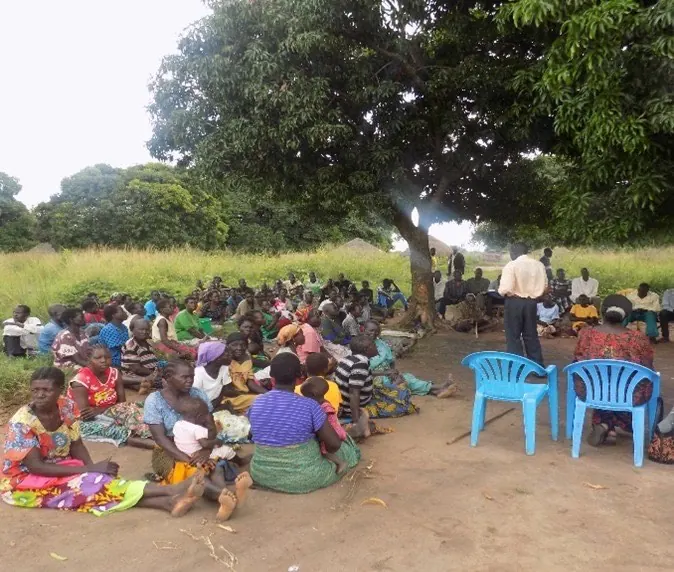
Gender Justice
Advancing the rights of women and girls, including land and property rights, sexual and reproductive rights, and recognition of unpaid care work, by engaging cultural and religious leaders, male champions and women's caucuses.
- Women's land & property rights
- Shared unpaid care & domestic work
- Male champions & women's caucuses
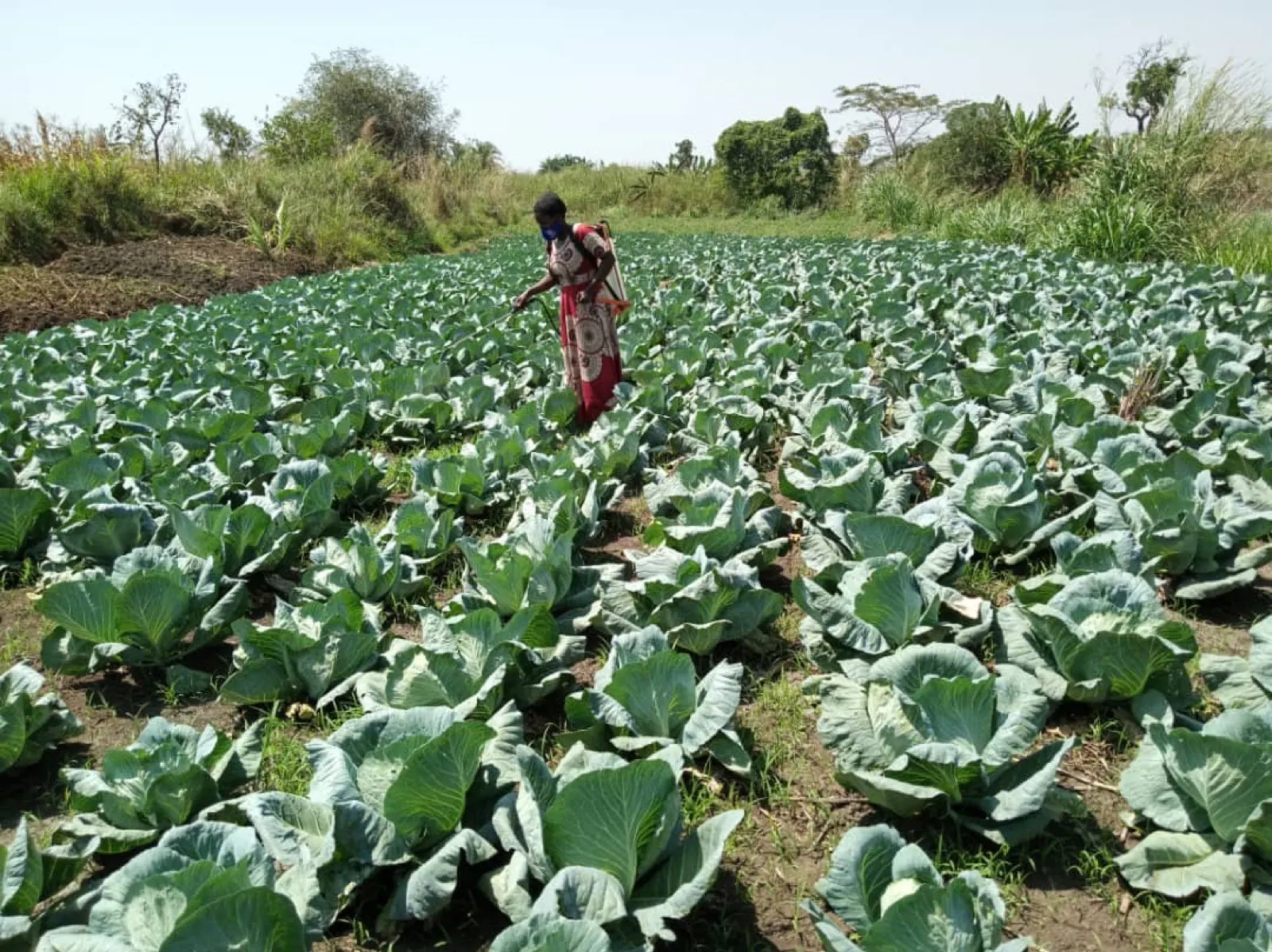
Livelihoods
Supporting youth, women and persons with disabilities to build sustainable incomes through village savings, agri-business, vocational skills and enterprise, from bee-keeping and liquid soap making to tailoring and hairdressing.
- Village Savings & Loans (VSLA)
- Agri-business & apiary/bee keeping
- Vocational skills & enterprise training
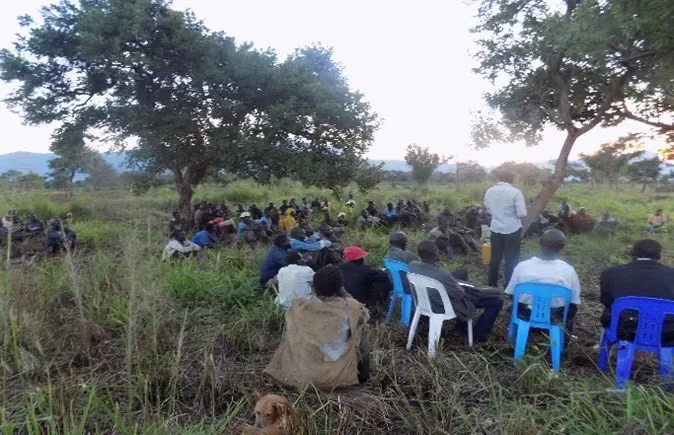
Protection
Keeping children, families and communities safe: strengthening families to protect and care for children, preventing gender-based violence, and resolving land conflicts through mediation, boundary inspection and reconciliation.
- Child protection & family strengthening
- Peacebuilding & land conflict mediation
- GBV prevention & response
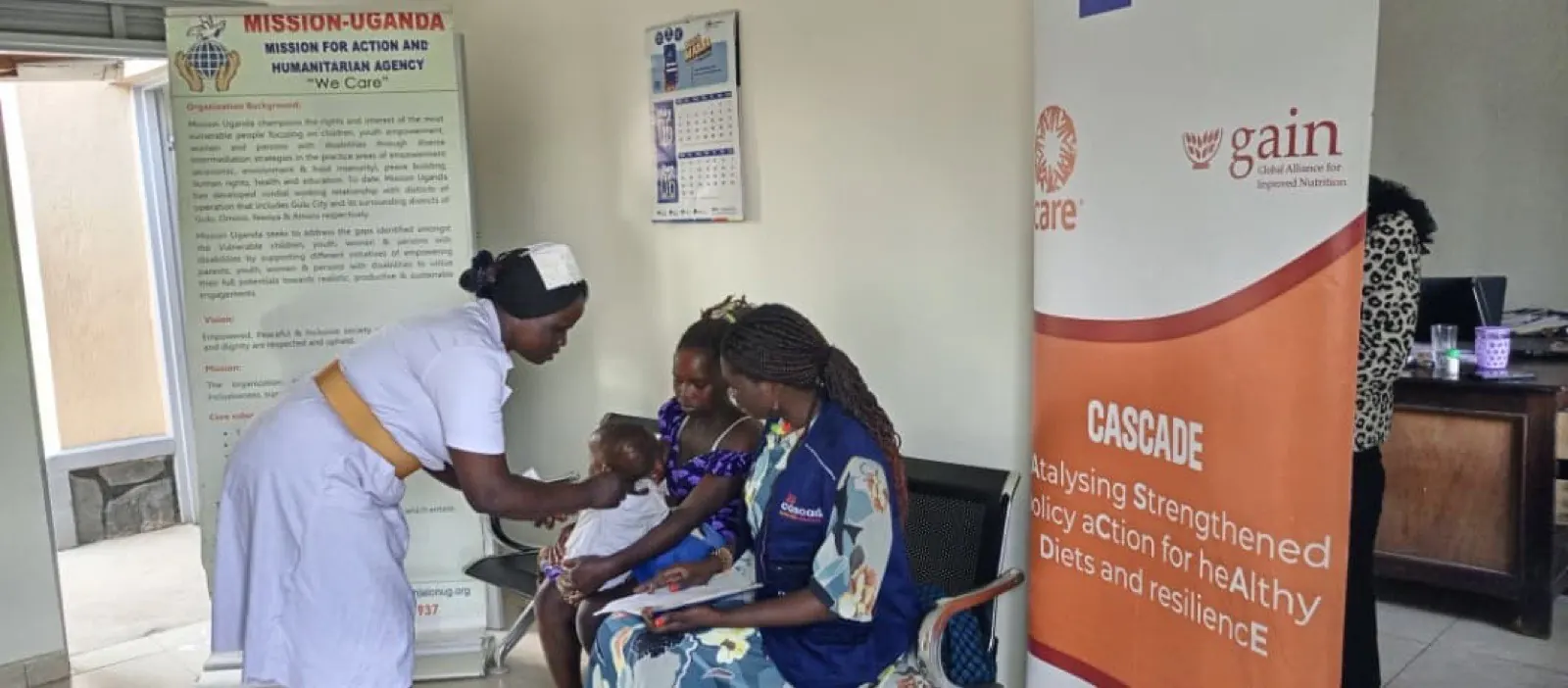
Health
Delivering clinical and non-clinical services through static health sites and community outreaches: youth-friendly services, nutrition and malnutrition management, HIV testing, cervical cancer screening and family planning.
- Youth-friendly services & HIV testing
- Nutrition & malnutrition management
- Cervical cancer screening & family planning
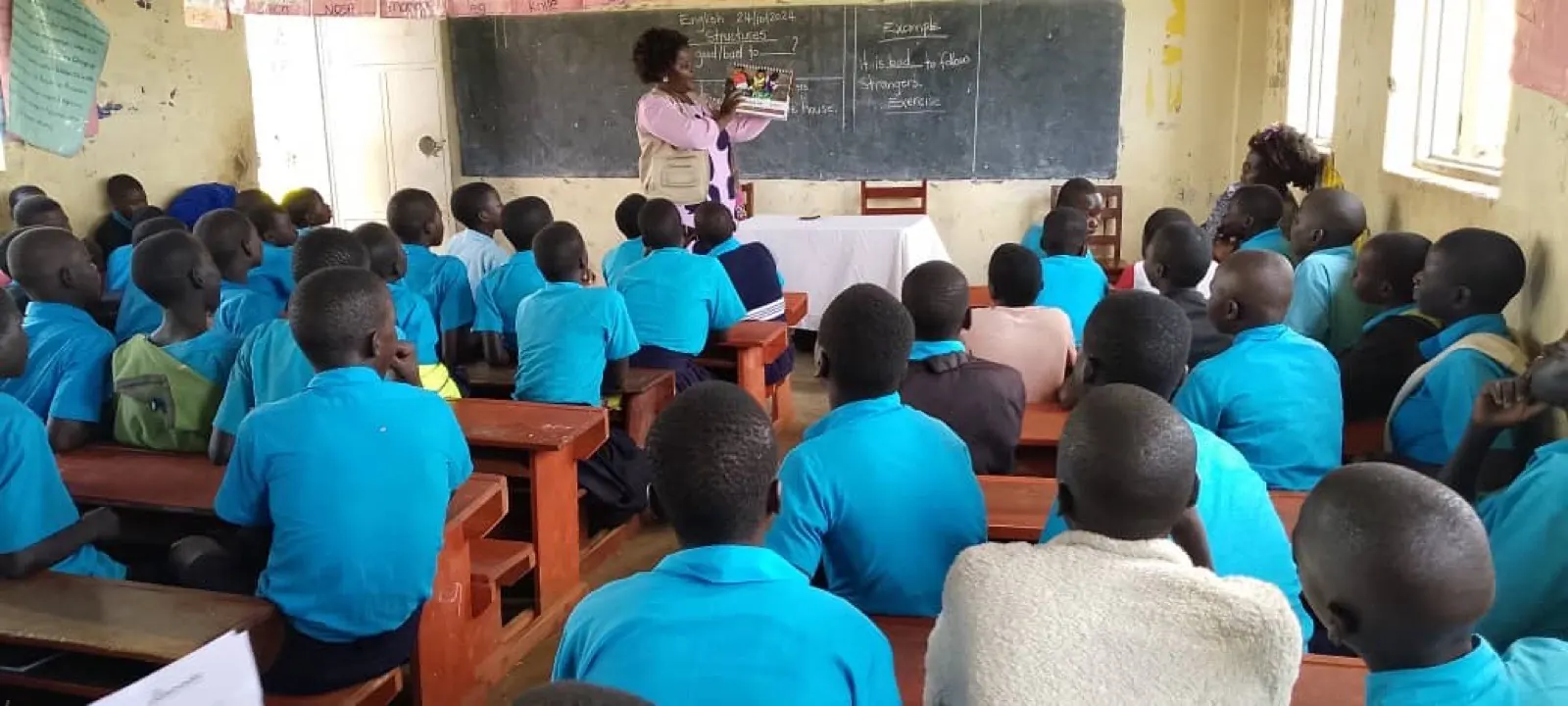
Education
Supporting children in formal education and equipping in-school and out-of-school adolescent girls with life skills, including scholarships for children with disabilities, mentorship and reusable pads production.
- Scholarships for children with disabilities
- Life skills & mentorship
- Re-usable pads production
Advocacy: Our Cross-Cutting Approach
Across all six thematic areas, we amplify community voices and influence policy and practice, engaging district stakeholders, cultural and religious leaders, and community structures so that change is owned locally and sustained long after our projects end.
Climate Justice in Focus
The communities least responsible for climate change, especially rural women and smallholder farmers, are the most affected. Our interventions combine climate adaptation, gender equity and livelihood resilience.
Climate-Smart Agriculture
Renewable Energy Access
Restoration & Tree Planting
Gender-Responsive Action